
Best Time to Visit China: A Month-by-Month Guide
China spans subarctic winters in the north and tropical beaches in the south — there's no single 'best' month. Here's how to pick the right season for your route, and which two weeks to avoid entirely.
China Is Too Big for One 'Best Time'
China spans over 5,000km north to south — roughly the distance from Norway to Nigeria. While Harbin is buried in snow at -20°C, Sanya's beaches sit at a comfortable 25°C. There is no single answer to 'when should I visit China' — the honest answer depends entirely on which cities are on your route.
That said, two windows work well for almost any itinerary covering the classic eastern cities (Beijing, Xi'an, Shanghai, Chengdu, Guilin): spring and autumn. If your dates are flexible, start there.
Spring (March–May): The Best All-Round Season
Spring is the sweet spot for most first-time visitors. Temperatures across eastern and central China sit comfortably between 15–25°C, humidity is low, and the countryside is genuinely beautiful — cherry blossoms in Wuhan and Nanjing in late March, wisteria and peonies through April.
Late April to early May is peak season for a reason: it's simply the most pleasant weather of the year in Beijing, Xi'an, Shanghai and the Yangtze region. Book accommodation and Great Wall tickets earlier than you think you need to — this window fills up.
💡 Early April to early May overlaps with Qingming Festival and, right at the end, the start of the May Day holiday (see the holidays section below) — check exact dates each year before booking.
Summer (June–August): Hot, Humid, and Best in the Mountains or North
Summer in eastern and southern China is genuinely uncomfortable — Shanghai, Chengdu, and Guangzhou regularly hit 35°C+ with high humidity, and the plum rain season (梅雨) brings weeks of grey, sticky drizzle to the Yangtze basin in June.
This is the season to head north or to altitude instead. Harbin and the northeast are pleasantly mild, Yunnan's high-altitude cities like Kunming and Dali stay around 20–25°C year-round (Kunming is nicknamed 'the city of eternal spring' for exactly this reason), and mountain retreats like Huangshan and Zhangjiajie are noticeably cooler than the cities below them.
💡 If your trip is fixed for summer, front-load early mornings for outdoor sightseeing (Forbidden City, Terracotta Army) and save museums, teahouses, and shopping districts for the hottest part of the afternoon.
Autumn (September–November): Crisp Air and Fewer Crowds
Autumn rivals spring as the best season to visit, and arguably beats it for photography — clear skies, cooler air, and the added bonus of autumn foliage from mid-October through November across northern and central China.
The Great Wall in autumn colour, Huangshan's granite peaks rising through a sea of clouds, and Jiuzhaigou-style mountain scenery are all at their best in this window. September and early October also see noticeably fewer tourists than the spring peak — until National Day hits (see below).
💡 Mid-to-late November brings the first cold snaps to northern China. If your route includes Beijing or Xi'an, pack layers even for what looks like a mild-forecast trip.
Winter (December–February): Ice Festivals, Empty Attractions, and a Southern Escape
Winter is China's most underrated travel season for two opposite reasons. In the north, Harbin's Ice and Snow Festival (early January to late February) is one of the most spectacular winter events on the planet — entire buildings carved from ice and lit from within, best experienced after dark.
Everywhere else, winter means the thinnest crowds of the year at major sites — the Forbidden City, the Terracotta Army, and Zhangjiajie's stone pillars are all dramatically quieter from December through February, and hotel prices drop accordingly.
If cold isn't your thing, Sanya on Hainan Island offers a genuine tropical winter escape — beach weather in the low-to-mid 20s°C while the rest of the country shivers.
💡 Indoor heating in southern Chinese cities (Shanghai, Guangzhou, Guilin) is often weaker than visitors expect — southern buildings are generally built for summer heat, not winter cold. Pack warmer than the forecast temperature suggests if you're heading south of the Yangtze in December or January.
Two Weeks to Avoid at All Costs: Golden Week and Chinese New Year
China has two nationwide holiday periods when roughly 1.4 billion people travel simultaneously. Chinese New Year (falls anywhere from late January to late February depending on the lunar calendar — check the exact date for your travel year) empties the cities of migrant workers heading home but jams every train, flight, and tourist site along the way — and many small restaurants and shops close for the week.
National Day 'Golden Week' (1–7 October) is worse for tourists specifically: it's the single busiest travel week of the year, with major sites like the Great Wall and Terracotta Army reaching capacity limits by mid-morning and train tickets selling out weeks in advance.
Unless you specifically want to experience a Chinese holiday atmosphere, build your itinerary around these two windows, not through them.
Quick Reference by Region
Classic route (Beijing, Xi'an, Shanghai, Chengdu): late April–May or September–October.
Guilin, Yangshuo, and southern karst scenery: April–June or September–November — avoid the heaviest summer rains in July–August.
Yunnan (Kunming, Dali, Lijiang, Shangri-La): pleasant almost year-round thanks to altitude; March–May and September–October are still the pick of the year.
Harbin and the northeast: December–February for the Ice Festival; otherwise June–August for a mild, crowd-free summer.
Hainan (Sanya) beach escape: November–April, when the rest of the country is cold.
The Bottom Line
If you can only pick one window for a first trip covering the classic eastern cities, choose late September to late October — you get autumn's clear skies and mild temperatures, and you're clear of both Golden Week and the coldest weather. Spring (late April to mid-May) is the close runner-up.
Everything else is a matter of matching your specific route to the season that suits it — and building your trip around China's two big holiday crunches, not through them.
Read next
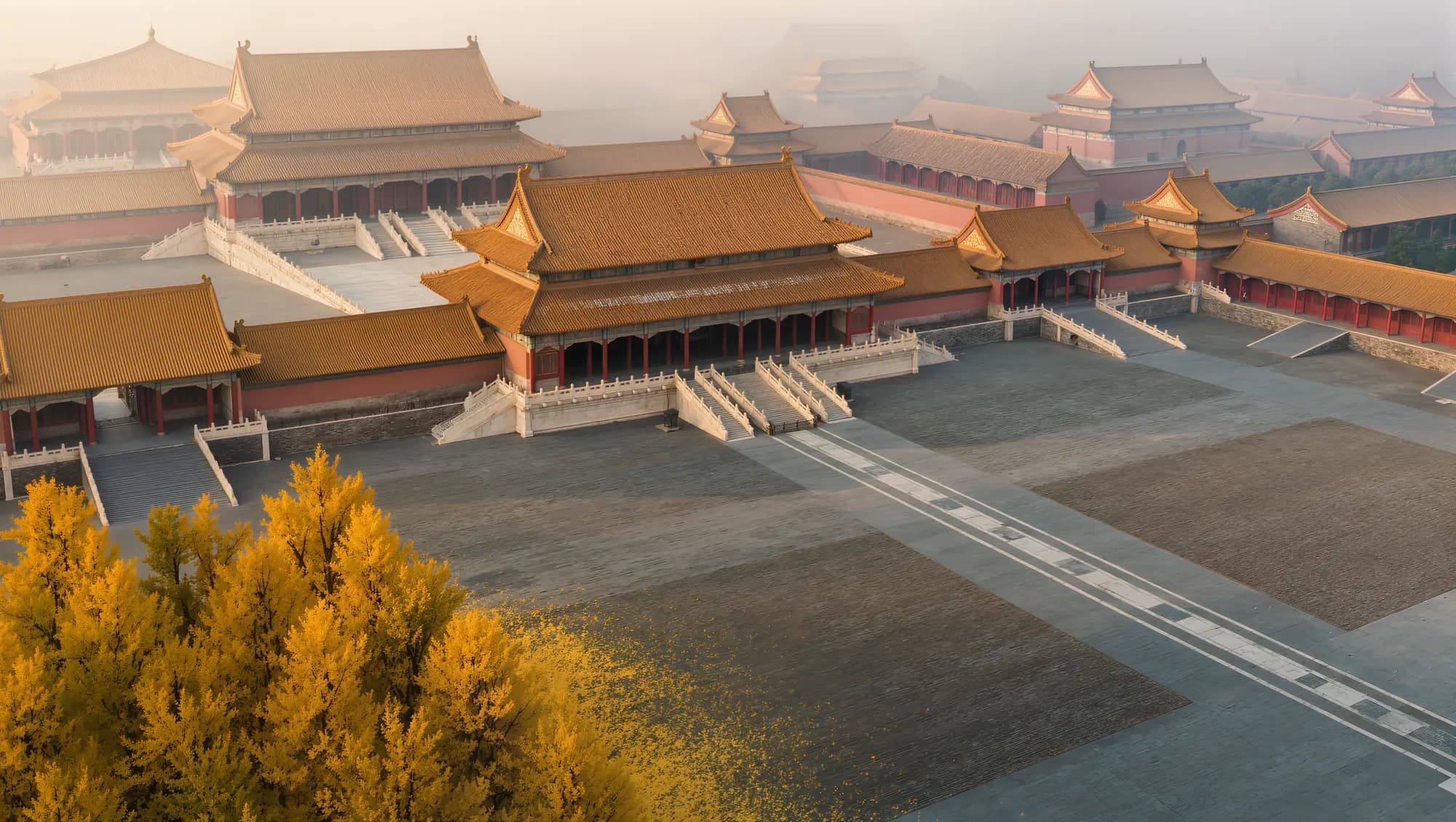
First Time in China? Everything You Need to Know Before You Go
Planning your first trip to China can feel overwhelming. This honest, practical guide covers visas, transport, cities, food, and what to actually expect — written for first-time visitors.

The Perfect 10-Day China Itinerary: Beijing, Xi'an, Chengdu & Shanghai
A practical 10-day route through China's four most iconic cities, with day-by-day schedules, train times, food recommendations, and honest advice on what to skip.
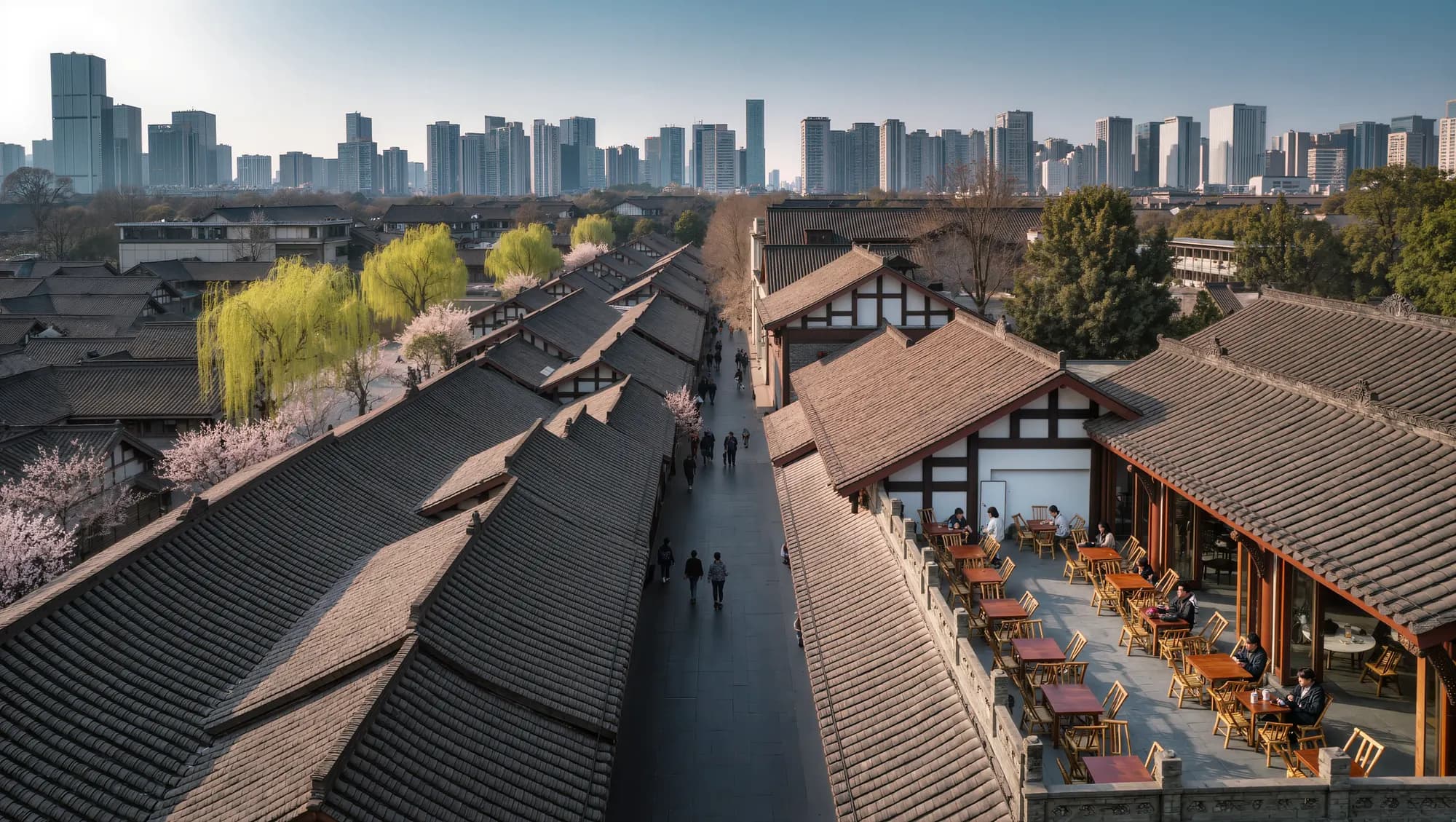
The Best Cities in China for Food Lovers (Ranked by Locals)
From Sichuan's numbing heat to Cantonese dim sum and Shanghainese soup dumplings — a guide to China's greatest food cities and what to eat there.