Guangdong, China
Guang Zhou
The Cradle of Cantonese Cuisine
Guangzhou is the historic heart of Cantonese culture and food, where the yum cha (tea-drinking and dim sum) tradition originated. A major trading port for over a thousand years, it blends Lingnan-style heritage architecture with one of China's most respected food cultures.
Flavour Profile
Best time to visit
🗓 October-December, March-April
Province
📍 Guangdong
Tier
FeaturedAbout Guangzhou
Guangzhou has been trading with the outside world since before most European capitals existed — it was a stop on the maritime Silk Road under the Han Dynasty, and for a stretch of the 18th and 19th centuries it was the only Chinese port foreigners were legally permitted to trade through at all. That deep, uninterrupted commercial history is why Cantonese cuisine, of all China's regional cuisines, became the one most exported worldwide long before people knew what 'Sichuan' or 'Hunan' food was: the diaspora that left through this port took Cantonese cooking with them.
The clearest window into that history is Shamian Island, a small sandbank in the Pearl River lined with colonial-era European buildings from the foreign concession era, now a quiet, tree-shaded contrast to the rest of the city. A short walk or metro ride away, the old commercial hearts of Beijing Road and the Qingping Market area still buzz with the kind of dense street life — herbal medicine stalls, dried-seafood shops, roast-meat vendors — that has defined Cantonese urban life for generations. But the food is really the main event: a proper yum cha session at a traditional teahouse, working through trolleys of har gow and char siu bao over multiple pots of tea, is one of the great unhurried meals in Chinese dining, and it originated in exactly these streets.
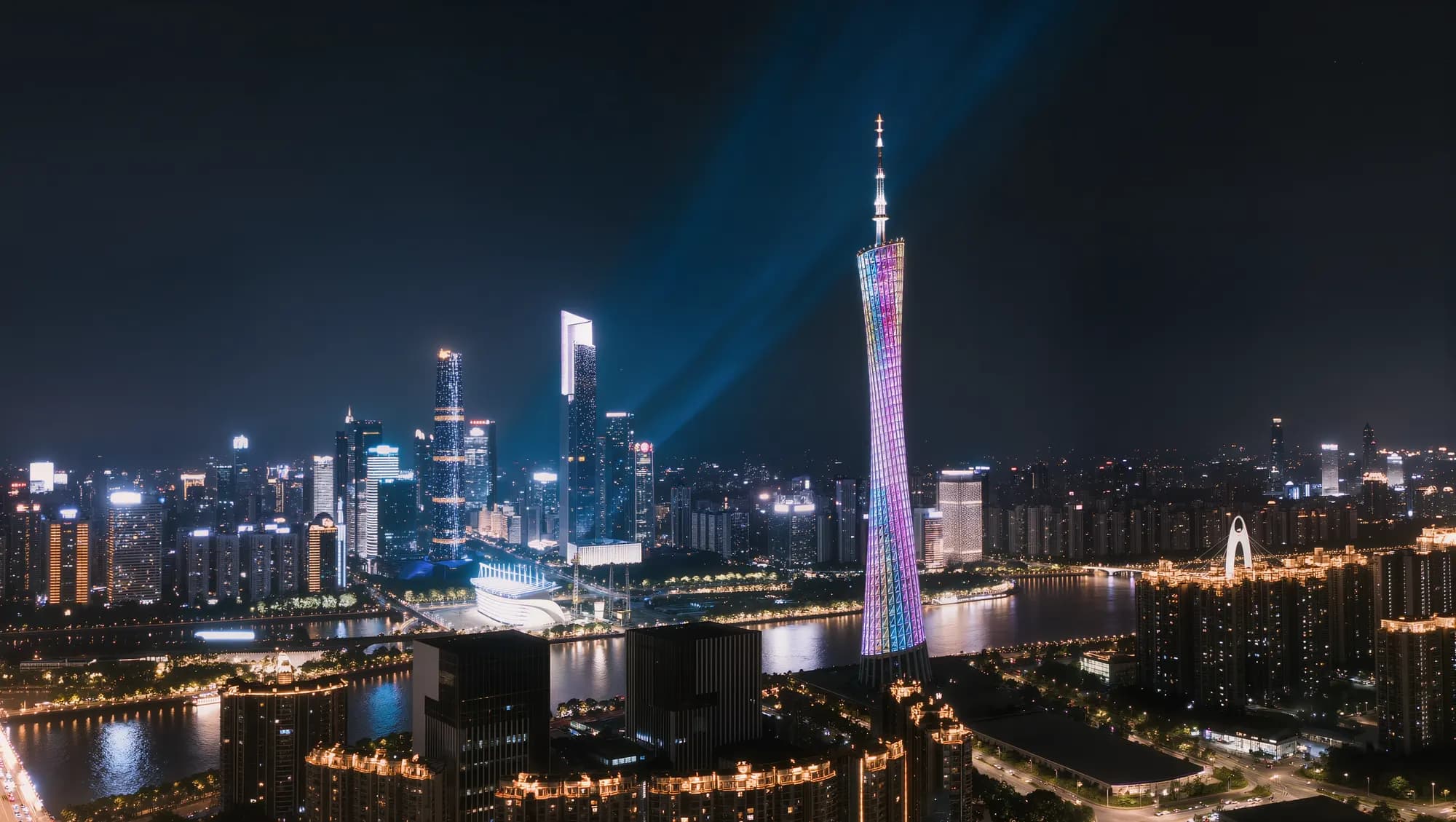
Guangzhou's modern face is just as real as its historic one — the Zhujiang New Town district across the river has one of China's most striking modern skylines, anchored by the 600-metre Canton Tower, and the city's biannual Canton Fair is one of the largest trade fairs on earth. Guangzhou is hot and humid for much of the year, with the most comfortable weather from October to December and again in March–April; summer brings serious heat and a real typhoon season. It pairs naturally with Hong Kong or Shenzhen, both under two hours away, and two to three days is enough to cover the old town, Shamian Island, and a proper dim sum crawl.
What to Eat in Guangzhou
Dim Sum
点心
Trolleys of har gow, siu mai, and cheung fun for morning yum cha
Char Siu
叉烧
Sweet honey-glazed barbecued pork — the Cantonese gold standard
Wonton Noodles
云吞面
Springy egg noodles in a clear pork-and-shrimp roe broth with plump wontons
Explore Guangzhou by theme
Highlights
Yum Cha (Dim Sum Tea Tradition)
→A leisurely tradition of drinking tea alongside small steamed and fried dishes like har gow, char siu bao, and rice noodle rolls, ordered continuously from carts or menus. Guangzhou is where the modern yum cha tradition is generally credited as having developed.
Cantonese Roast Meats (Siu Mei)
→Roast goose, char siu (barbecued pork), and soy sauce chicken hung in shop windows and carved to order, usually served over rice. A defining category of Cantonese cooking distinct from the spicier styles found in other Chinese regions.
Chen Clan Academy
→An elaborately decorated 19th-century clan ancestral hall built by 72 branches of the Chen family, known for its intricate wood carving, ceramic roof sculptures, and Lingnan-style courtyard architecture.
Shamian Island
→A small island in central Guangzhou lined with European colonial-era buildings, once designated as a foreign trading enclave in the 19th century and now a quiet, tree-lined area for walking.
Book Experiences in Guangzhou
Nearby Cities

AI Trip Planner
Planning a trip to Guangzhou?
Tell our AI your travel style and get a personalised itinerary in seconds
✨ Build my itinerary