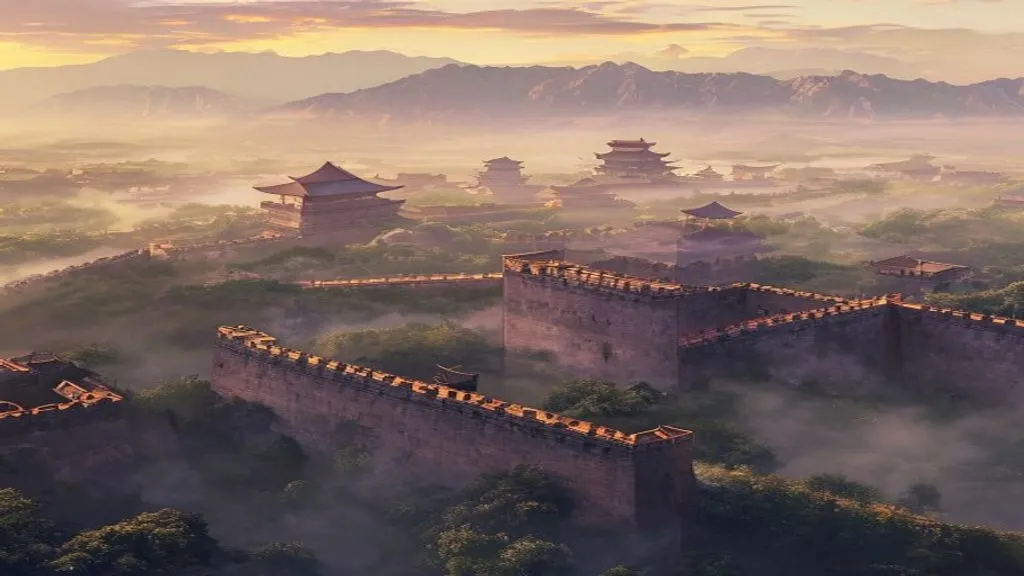
Nanjing served as China's capital under six dynasties and left behind the world's longest surviving city wall, a magnificent Ming-era mausoleum, and layers of moving history. Its salted duck is one of China's most iconic dishes, and the city's relaxed, literary atmosphere sets it apart from its more frenetic neighbors.
Flavour Profile
Best time to visit
🗓 March-May, September-November
Province
📍 Jiangsu
Tier
FeaturedAbout Nanjing
Nanjing's name literally means 'Southern Capital,' and the city earned it repeatedly — it served as capital under six different dynasties plus the early Ming and, briefly and tragically, the Republic of China, giving it a historical weight that rivals Beijing and Xi'an without the same tourist crowds. The Ming City Wall, begun in 1366, is the longest surviving city wall in the world at over 25 kilometres, and long sections are open for walking or cycling — doing a stretch at sunset, with the modern skyline rising beyond the ramparts, is one of the more underrated urban walks in China.
Purple Mountain, on the city's eastern edge, holds the Sun Yat-sen Mausoleum, a monumental granite-and-blue-tile complex built in the 1920s for the founder of modern China and reached by a climb of nearly 400 steps that deliberately makes visitors work for the view. The same mountain holds the Ming Xiaoling Tomb, the burial site of the dynasty's founding emperor and a UNESCO World Heritage listing in its own right. The Confucius Temple area, rebuilt after wartime destruction, is Nanjing's most atmospheric old quarter — lantern-lit at night along the Qinhuai River, and the traditional starting point for trying the city's most famous dish, salted duck, alongside duck-blood soup and other Nanjing specialties built almost entirely around that one bird.
Any honest account of Nanjing also includes the Nanjing Massacre Memorial Hall, a sober and well-curated museum documenting the 1937 Nanjing Massacre — it's one of the most visited sites in the city and, for many travelers, the most affecting few hours of a China trip. Nanjing has a genuine four-season climate with hot, humid summers and cold winters; spring (March–May) and autumn (September–November) are by far the most comfortable times to walk the wall and Purple Mountain. Two to three days covers the wall, Purple Mountain, and the old town at an unhurried pace, and Nanjing sits under two hours from both Shanghai and Hangzhou by high-speed rail.
What to Eat in Nanjing
Salted Duck
盐水鸭
Brined and poached duck, silky and lightly perfumed with salt and anise
Duck Blood Soup
鸭血粉丝汤
Silken duck blood and glass noodles in a clear fragrant broth
Explore Nanjing by theme
Highlights
Ming City Wall
→The longest surviving city wall in the world, begun in 1366 and originally stretching over 35km around the Ming-dynasty capital — more than 25km still stands today.
Confucius Temple (Fuzimiao)
→A temple and surrounding old quarter along the Qinhuai River, rebuilt after wartime destruction and now the most atmospheric traditional district in central Nanjing, especially after dark.
Nanjing Salted Duck
→Nanjing's signature dish — duck brined, air-dried, and gently poached rather than roasted, served cold in thin slices with a delicate, savory flavour very different from Beijing's roast duck.
Book Experiences in Nanjing
Nearby Cities

AI Trip Planner
Planning a trip to Nanjing?
Tell our AI your travel style and get a personalised itinerary in seconds
✨ Build my itinerary