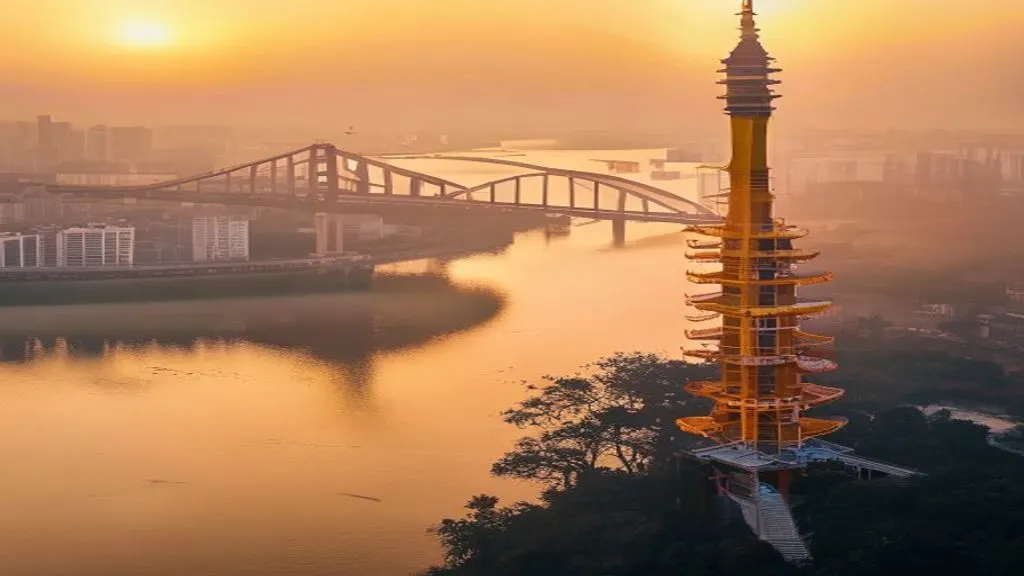
Wuhan straddles the Yangtze and Han rivers at China's geographic center. It's the birthplace of hot dry noodles (reganmian), a breakfast staple eaten standing at street stalls since dawn. The Yellow Crane Tower, cherry blossoms at Wuhan University, and a fiercely proud food culture make it the unsung capital of central China.
Flavour Profile
Best time to visit
🗓 March-May, October-November
Province
📍 Hubei
Tier
FeaturedAbout Wuhan
Wuhan is really three cities in one — Wuchang, Hankou, and Hanyang, split by the confluence of the Yangtze and Han rivers and stitched together by a set of dramatic river bridges, the first of which, the 1957 Yangtze River Bridge, was a national symbol of postwar reconstruction. That geography made Wuhan a trading and transport hub for centuries, earning it the nickname 'Chicago of China' from Western merchants in the concession era, and it remains one of the best-connected cities in the country: high-speed rail from Wuhan reaches Beijing, Shanghai, Guangzhou, and Chengdu all in under five hours, making it a natural, underused hub for a central-China itinerary.
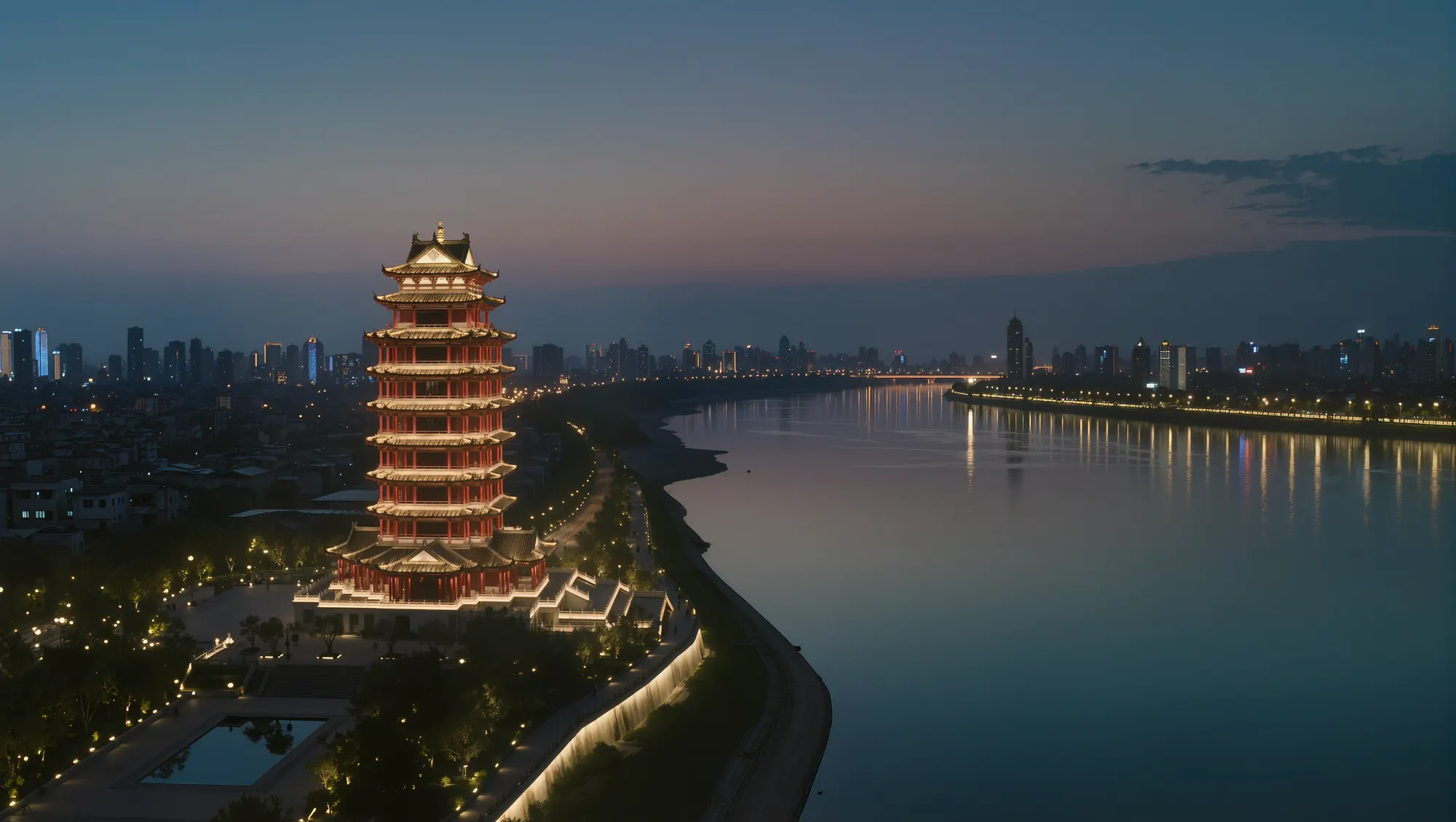
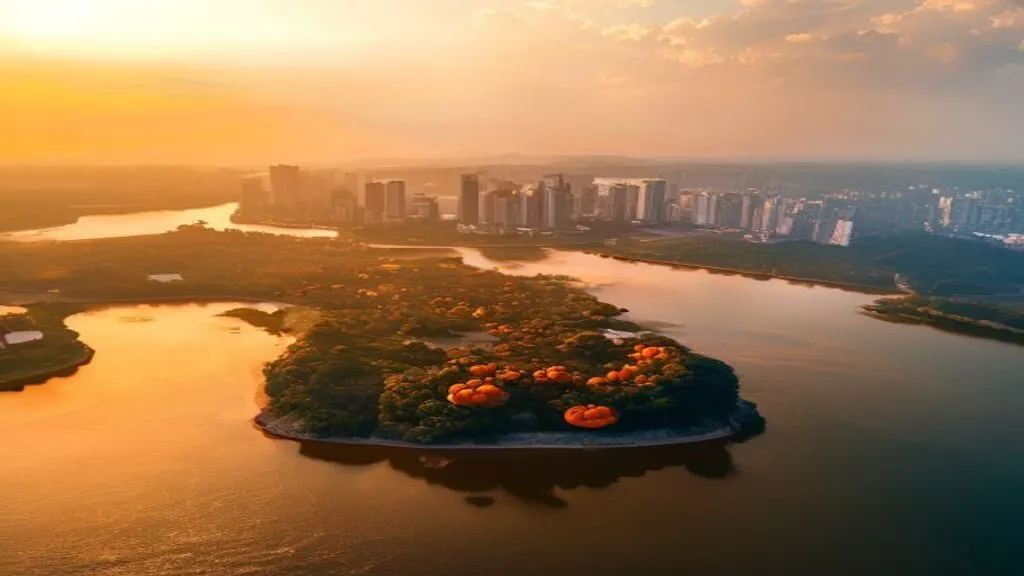
The Yellow Crane Tower, rebuilt many times since its first construction in 223 AD and currently in a 1980s reconstruction on Snake Hill, is the city's signature monument and the subject of some of the most famous poems in the Chinese literary canon — climbing it for the Yangtze views is a genuine local rite of passage, not just a tourist stop. East Lake, several times the size of Hangzhou's West Lake, offers a quieter, greener counterpoint on the eastern edge of the city, with cycling paths and the Hubei Provincial Museum's extraordinary bronze bell collection nearby. Wuhan University's cherry blossoms, planted originally by Japanese donation in the 1930s, draw enormous domestic crowds each March and are worth timing a visit around if the dates line up.
Food in Wuhan runs on its own clock: reganmian, the city's iconic hot dry noodles tossed in sesame paste, is a breakfast dish eaten standing up at street-corner stalls, and Hubu Alley near the Yellow Crane Tower is the most concentrated place to try it alongside other Wuhan breakfast classics. The city has a reputation for brutal summer heat — it's one of China's traditional 'Three Furnaces' — so spring (March–May) and autumn (September–November) are far more comfortable windows. Two to three days covers the main sights and gives enough breakfast mornings to work through the local noodle culture properly.
What to Eat in Wuhan
Re Gan Mian
热干面
Hot dry noodles tossed in sesame paste, soy, and pickled radish — Wuhan's soul food
Doupi
豆皮
Crispy glutinous rice layered with scrambled egg, mushrooms, and diced pork
Spicy Crayfish
小龙虾
Freshwater crayfish braised in a Wuhan-style numbing-spicy broth
Explore Wuhan by theme
Highlights
Yellow Crane Tower
→A multi-story tower on Snake Hill overlooking the Yangtze, first built in 223 AD and rebuilt many times since — the current structure dates to the 1980s but sits on the same storied site.
Hubu Alley
→A short historic street near the Yellow Crane Tower dense with breakfast stalls selling reganmian (hot dry noodles) and other Wuhan morning specialties, in business since dawn for over a century.
East Lake
→A vast urban lake on Wuhan's eastern edge, several times the surface area of Hangzhou's famous West Lake, ringed by cycling paths, parks, and the Hubei Provincial Museum.
Book Experiences in Wuhan
Nearby Cities

AI Trip Planner
Planning a trip to Wuhan?
Tell our AI your travel style and get a personalised itinerary in seconds
✨ Build my itinerary