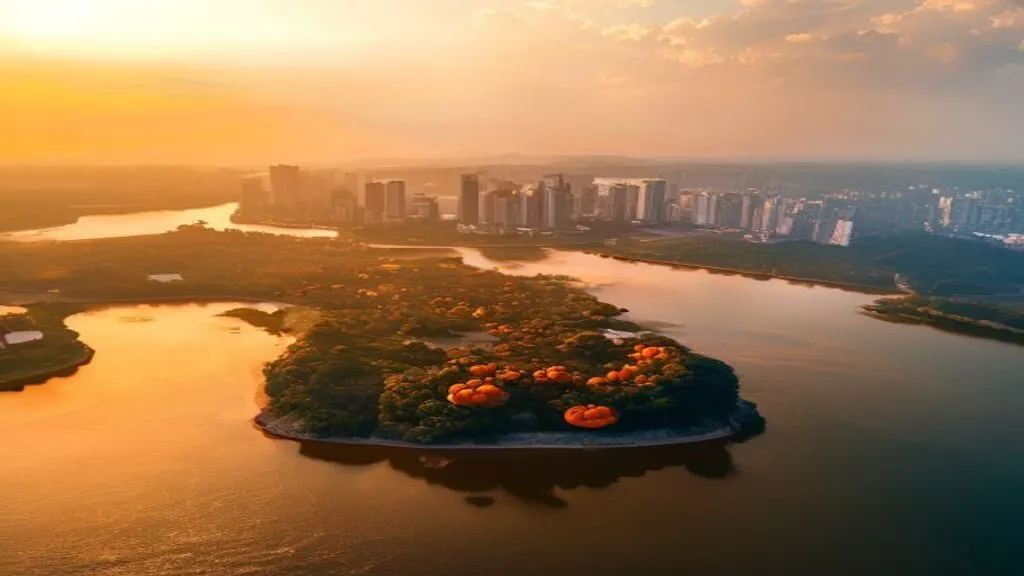
Changsha invented the combination of brutally spicy food and electrifying nightlife that has swept China. Hunan cuisine is bolder and more vinegar-forward than Sichuan, and Pozi Street, a food street with over 1,200 years of history, draws pilgrims from across the country. Mao Zedong's birthplace is 90 minutes away, adding historical gravity to this proudly irreverent city.
Flavour Profile
Best time to visit
🗓 April-June, September-October
Province
📍 Hunan
Tier
FeaturedAbout Changsha
Changsha has spent the last two decades building a reputation as China's most unapologetically fun city, and Hunan Satellite TV — the province's entertainment network, based here and responsible for much of the reality TV and talent-show programming that dominates Chinese pop culture — is a big part of why. But the city's spice-and-nightlife energy has older roots. Hunan cuisine (Xiang cuisine) is one of China's great culinary traditions, built around fresh chilies, fermented black beans, and a smokier, more sour-forward heat than Sichuan's numbing mala — locals will insist, not entirely joking, that Changsha's food is the spicier of the two. Pozi Street, a food street with over 1,200 years of history, is the most concentrated place to try it, dense with stalls selling stinky tofu, spicy crayfish, and rice noodles late into the night.
Mao Zedong spent his student years in Changsha, and the city leans into that history without becoming a solemn shrine to it. Orange Isle (Juzizhou), the world's largest inland river island within a city center, was where Mao once swam and wrote poetry as a young revolutionary; it's now a public park anchored by a 32-meter granite sculpture of his head as a young man, completed in 2009 from stone quarried in Fujian. The more substantial historical draw is the Hunan Museum, home to the extraordinary Mawangdui excavation — Han-dynasty tombs discovered in the early 1970s that yielded silk paintings, lacquerware, and the remarkably preserved body of a noblewoman known as Lady Dai, still soft-tissued enough at discovery for doctors to perform an autopsy. For something lighter, Window of the World packs roughly 50 miniature reproductions of global landmarks — the Eiffel Tower, the Pyramids, Angkor Wat — into a single theme park.
Changsha's climate favors spring (April-June) and autumn (September-October), avoiding both the humid subtropical summer and the damp winter. Two to three days covers the city center comfortably, and Mao's actual birthplace and boyhood home in Shaoshan, about 90 minutes away, makes for a straightforward half-day trip for anyone drawn in by the Orange Isle history.
What to Eat in Changsha
Spicy Crayfish
口味虾
Hunan-style crayfish in a fiery, slightly sweet, deeply aromatic broth
Stinky Tofu
臭豆腐
Deep-fried fermented tofu — pungent from the street, custardy inside
Mao's Braised Pork
毛氏红烧肉
Chairman Mao's favourite: caramelised pork belly with five-spice and soy
Explore Changsha by theme
Highlights
Orange Isle (Juzizhou)
→The world's largest inland river island within a city center, sitting in the Xiang River and anchored by a 32-meter granite sculpture of a young Mao Zedong, completed in 2009.
Hunan Museum
→Changsha's provincial museum, built around the Mawangdui excavation — Han-dynasty tombs discovered in the early 1970s that yielded silk paintings, lacquerware, and the remarkably preserved body of a noblewoman known as Lady Dai.
Pozi Street
→A food street with over 1,200 years of history, packed with stalls selling stinky tofu, spicy crayfish, and rice noodles late into the night.
Window of the World
→A theme park packing roughly 50 miniature and full-scale reproductions of famous global landmarks — the Eiffel Tower, the Pyramids, Angkor Wat — into a single site, along with amusement rides and cultural performances.
Book Experiences in Changsha
Nearby Cities
AI Trip Planner
Planning a trip to Changsha?
Tell our AI your travel style and get a personalised itinerary in seconds
✨ Build my itinerary