 📷 xiquinhosilva · CC BY 2.0
Shanxi, China
Da Tong
Grottes de Yungang et patrimoine le plus sous-estimé de Chine
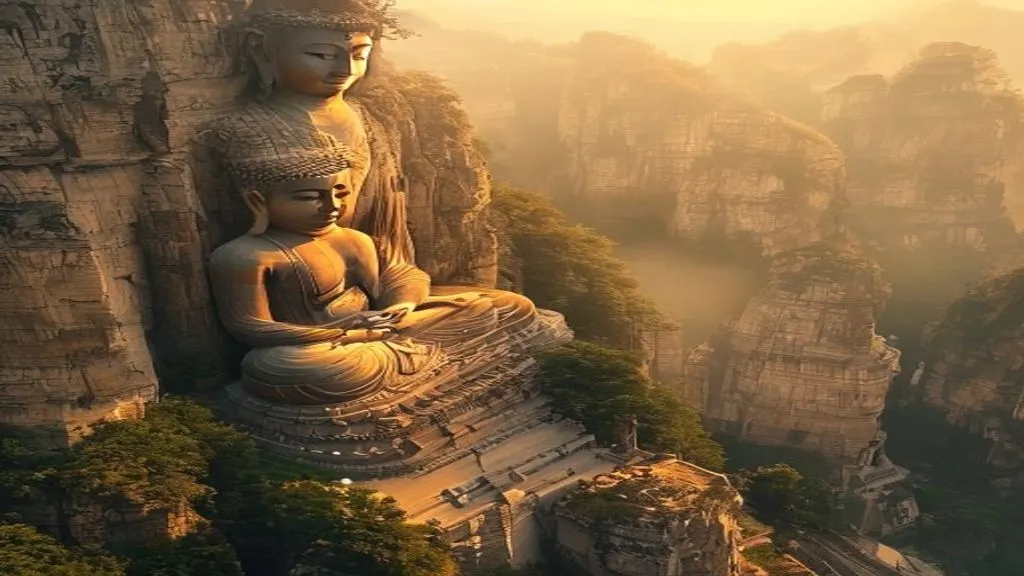
Datong abrite l'un des trésors les plus méconnus de Chine : les grottes de Yungang, site du patrimoine mondial de l'UNESCO avec 51 000 statues bouddhistes sculptées dans des falaises de grès aux Ve et VIe siècles. Datong rivalise avec les grottes de Mogao à Dunhuang en profondeur artistique, avec une fraction des visiteurs. Le temple suspendu voisin — accroché à mi-falaise au-dessus d'un étroit défilé — est l'une des réalisations architecturales les plus spectaculaires de Chine.
Flavour Profile
Meilleure période pour visiter
🗓 Mai à octobre
Province
📍 Shanxi
Tier
Trésor cachéAbout Datong
Datong's Yungang Grottoes are the reason serious travelers put this Shanxi city on their list. Carved into a sandstone cliff face during the 5th and 6th centuries under the Northern Wei dynasty, the site holds 252 caves and roughly 51,000 Buddhist statues, ranging from centimetres-tall figures to towering multi-storey Buddhas — a scale and artistic range that rivals the more famous Mogao Caves at Dunhuang, with a fraction of the visitors. UNESCO added it to the World Heritage List in December 2001, recognising it as one of China's great Buddhist grotto sites.
About an hour outside the city, the Hanging Temple pushes the same era's ambition even further. Built into a cliff on the west side of Jinxia Gorge in the late Northern Wei dynasty (491 AD), the temple's halls are suspended roughly 75 metres above the gorge floor, held up by a system of just 27 wooden support beams. It's the only surviving Chinese monastery that combines Buddhist, Taoist, and Confucian halls under one roof, and walking its narrow cliffside walkways remains genuinely vertiginous even for visitors who've seen the photos beforehand.
Inside the city itself, the Nine Dragon Screen is the oldest and largest glazed-tile screen of its kind in China — a 45.5-metre wall built in 1392 for a son of the first Ming emperor, three times the size of the more famous version in Beijing's Beihai Park. Between the grottoes, the temple, and the screen, Datong packs an unusual density of major heritage sites into a city most international visitors still skip entirely. May through October gives the most reliable weather for the half-day trip out to the grottoes and Hanging Temple.
What to Eat in Datong
Knife-Shaved Noodles
刀削面
Thick noodles shaved directly into boiling broth with a curved blade
Oat Noodles
莜面
Hand-rolled nutty oat noodles served with vinegar dipping sauce
Découvrir Datong par thème
Incontournables
Yungang Grottoes
→252 caves and roughly 51,000 Buddhist statues carved into a sandstone cliff face during the 5th and 6th centuries.
Hanging Temple
→A temple complex built directly into a cliff face roughly 75 metres above Jinxia Gorge, supported by just 27 wooden beams.
Nine Dragon Screen
→A 45.5-metre glazed-tile screen wall built in 1392, the oldest and largest of its kind surviving in China.
Book Experiences in Datong
Nearby Cities
AI Trip Planner
Planning a trip to Datong?
Tell our AI your travel style and get a personalised itinerary in seconds
✨ Build my itinerary