河南, China
洛阳
古都与佛教圣地
洛阳是中国历代建都最多的城市,拥有龙门石窟与白马寺——后者被普遍认为是中国第一座官方佛教寺院。这里也是距离少林寺(少林功夫发源地)最近的大城市。
口味特色
最佳旅行时间
🗓 3月至5月,9月至11月
所在省份
📍 河南
城市等级
精选关于Luoyang
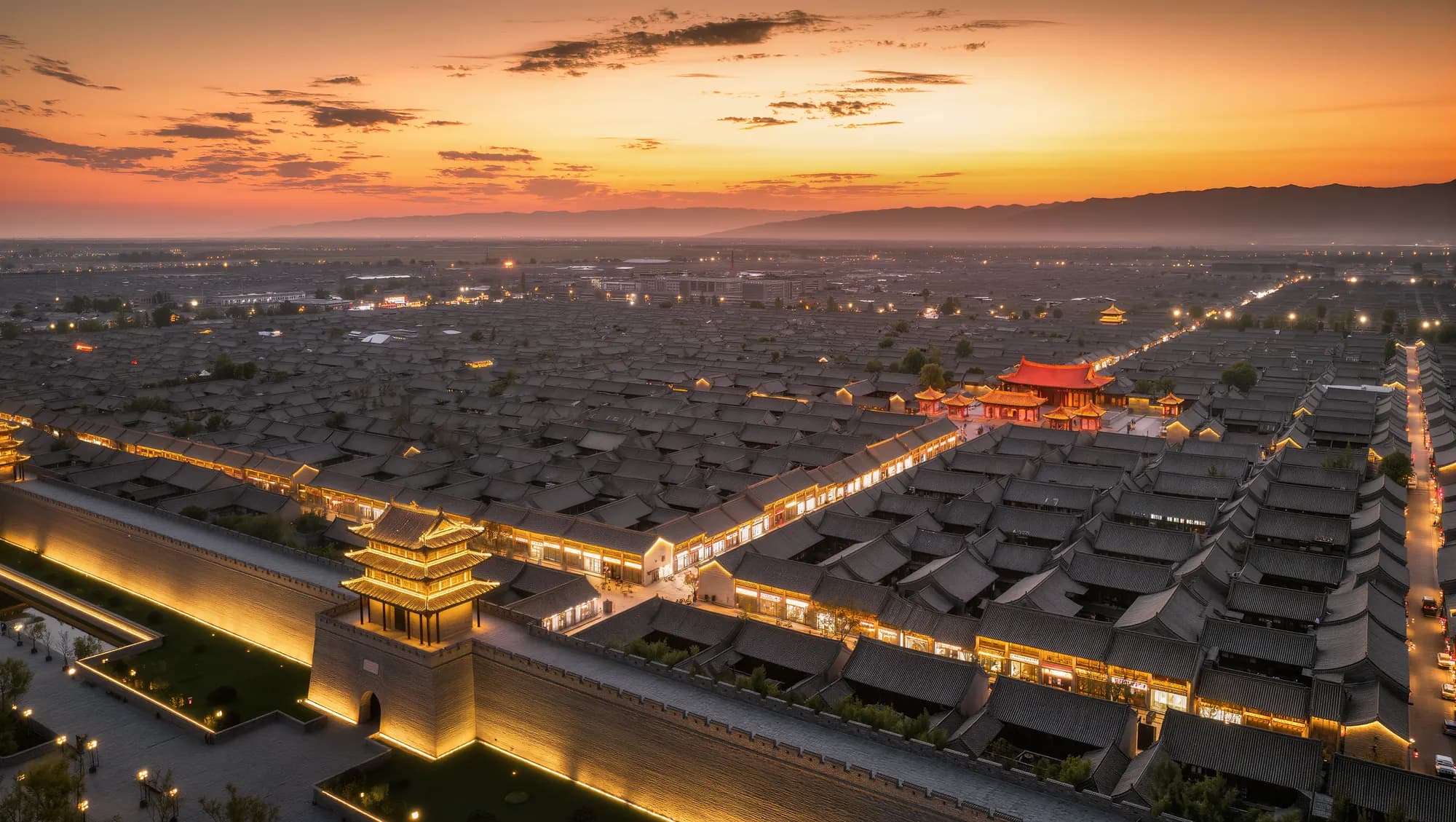
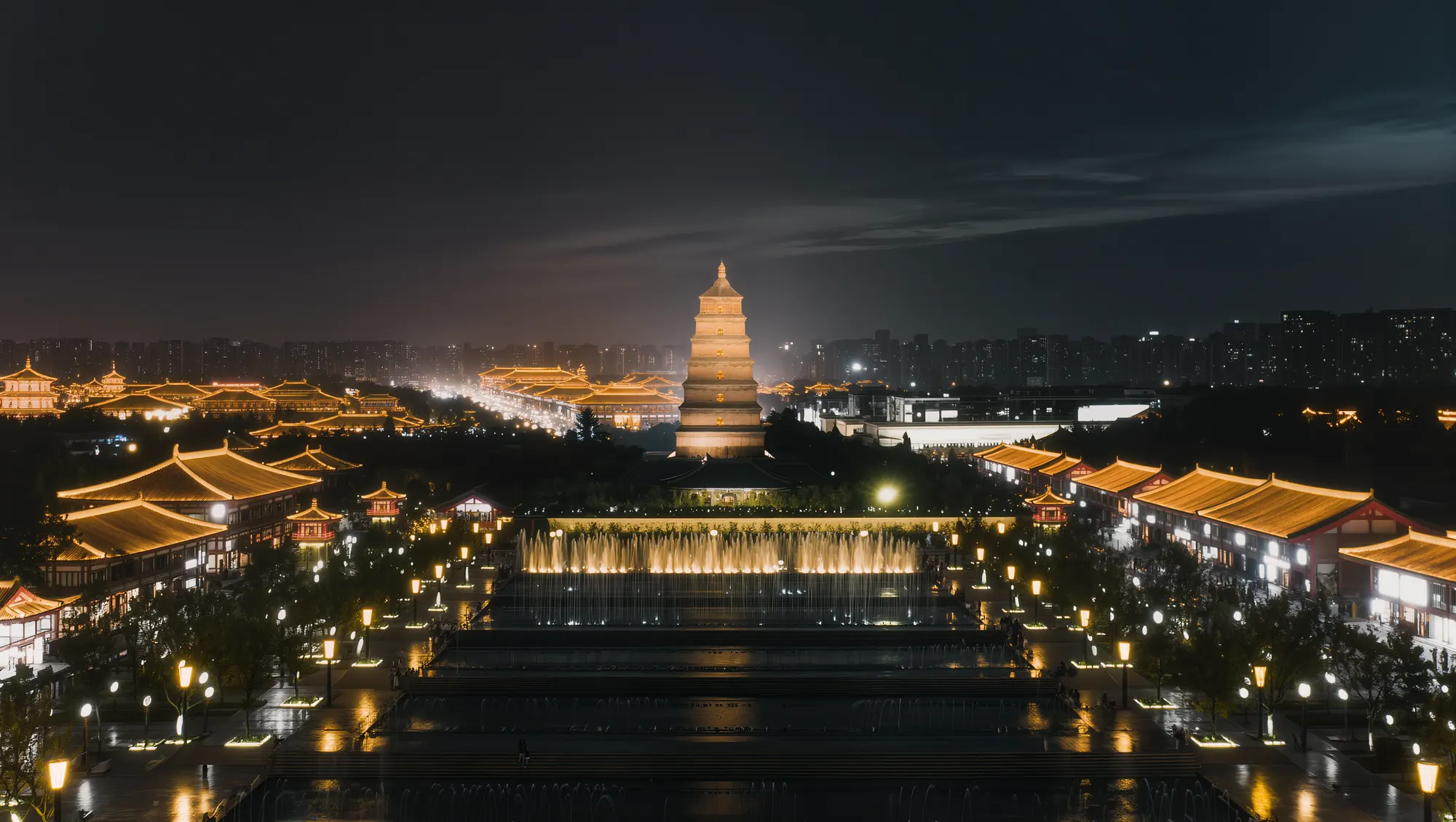
Luoyang is generally counted as the capital of thirteen Chinese dynasties, more than any other city in the country, spanning roughly from the Eastern Zhou through the Later Tang — a run of nearly two thousand years on and off at the center of Chinese political power. That depth of history is easy to say and hard to picture, but Luoyang has the physical evidence to back it up in a way few other former capitals do.
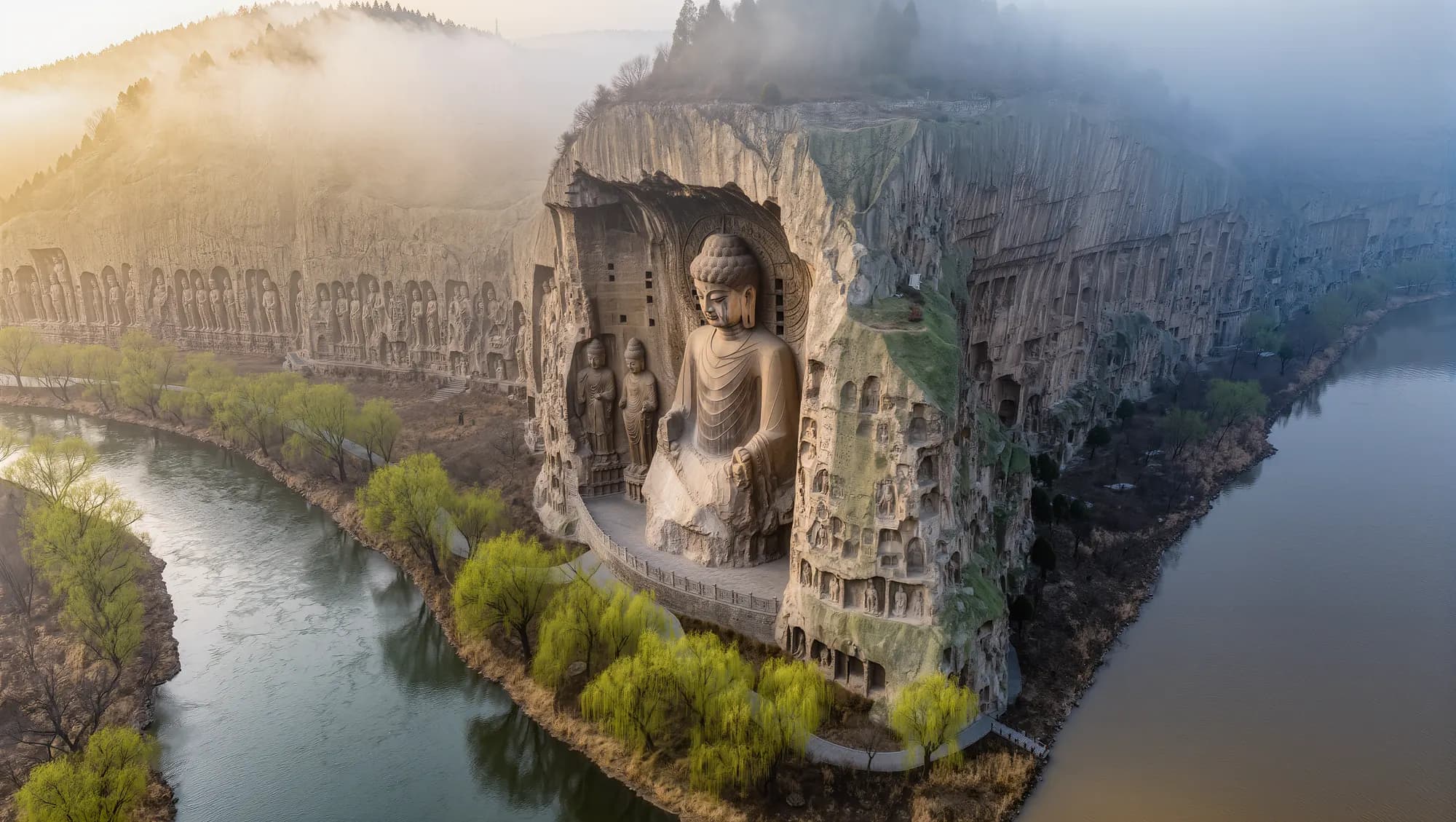
The Longmen Grottoes, a UNESCO World Heritage site just south of the city, hold more than 100,000 Buddhist statues carved into limestone cliffs along the Yi River over roughly 400 years, starting in the late 5th century — one of the three great Buddhist grotto sites in China, and the one most people find the most visually overwhelming in person. White Horse Temple, just east of the city center, is traditionally dated to 68 AD and is widely regarded as the first officially sanctioned Buddhist temple built on Chinese soil, making it a kind of starting point for the religion's entire history in the country. Every April, the city also turns into China's unofficial peony capital, with the Luoyang Peony Festival drawing huge crowds to see the flower the city has been associated with since the Tang Dynasty.
Luoyang is also the closest major city to Shaolin Temple — about 50km away, noticeably closer than from Zhengzhou — making it a practical, and more interesting, base for a Shaolin day trip than the provincial capital most travelers default to. Spring (March–May) brings the peony season and mild temperatures; autumn (September–November) is quieter and just as comfortable. Two to three days covers Longmen, White Horse Temple, and a Shaolin side trip without feeling rushed.
Luoyang必吃美食
Water Banquet
水席
24-dish imperial feast where every course arrives in fragrant broth
Luoyang Noodles
洛阳汤面
Thick wheat noodles in a hearty pork bone broth with toasted sesame
按主题探索Luoyang
亮点
Longmen Grottoes
→A UNESCO World Heritage site of over 2,000 caves and niches carved into limestone cliffs along the Yi River, containing tens of thousands of Buddhist statues and reliefs created over roughly 400 years starting in the late 5th century.
White Horse Temple
→Generally regarded as the first officially sanctioned Buddhist temple built in China, founded in 68 CE under Emperor Ming of the Han Dynasty. Still an active monastery with halls added over many later centuries.
Shaolin Temple
→A Buddhist monastery in the Song Mountains near Dengfeng, widely regarded as the birthplace of Shaolin kung fu and a key site in the history of Chan (Zen) Buddhism in China. Reachable as a day trip from both Luoyang and Zhengzhou.