陕西, China
西安
兵马俑的故乡
观看:Xi'an
西安曾是多个朝代的都城,建都历史超过千年,从深埋地下的兵马俑到保存完好的明代城墙都是见证。这里也拥有全国最具特色的地方面食与街头小吃文化。
口味特色
最佳旅行时间
🗓 3月至5月,9月至11月
所在省份
📍 陕西
城市等级
必去关于Xi'an
Xi'an spent longer as China's capital than any other city — more than a dozen dynasties, over a thousand years combined — and it was the eastern terminus of the Silk Road, the point where camel caravans from Central Asia unloaded after months of travel. Both facts explain everything about what's worth seeing here. The Terracotta Army, discovered by farmers digging a well in 1974, remains the single most famous archaeological find in China: thousands of individually sculpted life-sized soldiers, arranged in battle formation to guard the tomb of Qin Shi Huang, China's first emperor. It sits about an hour outside the city and deserves a half day.
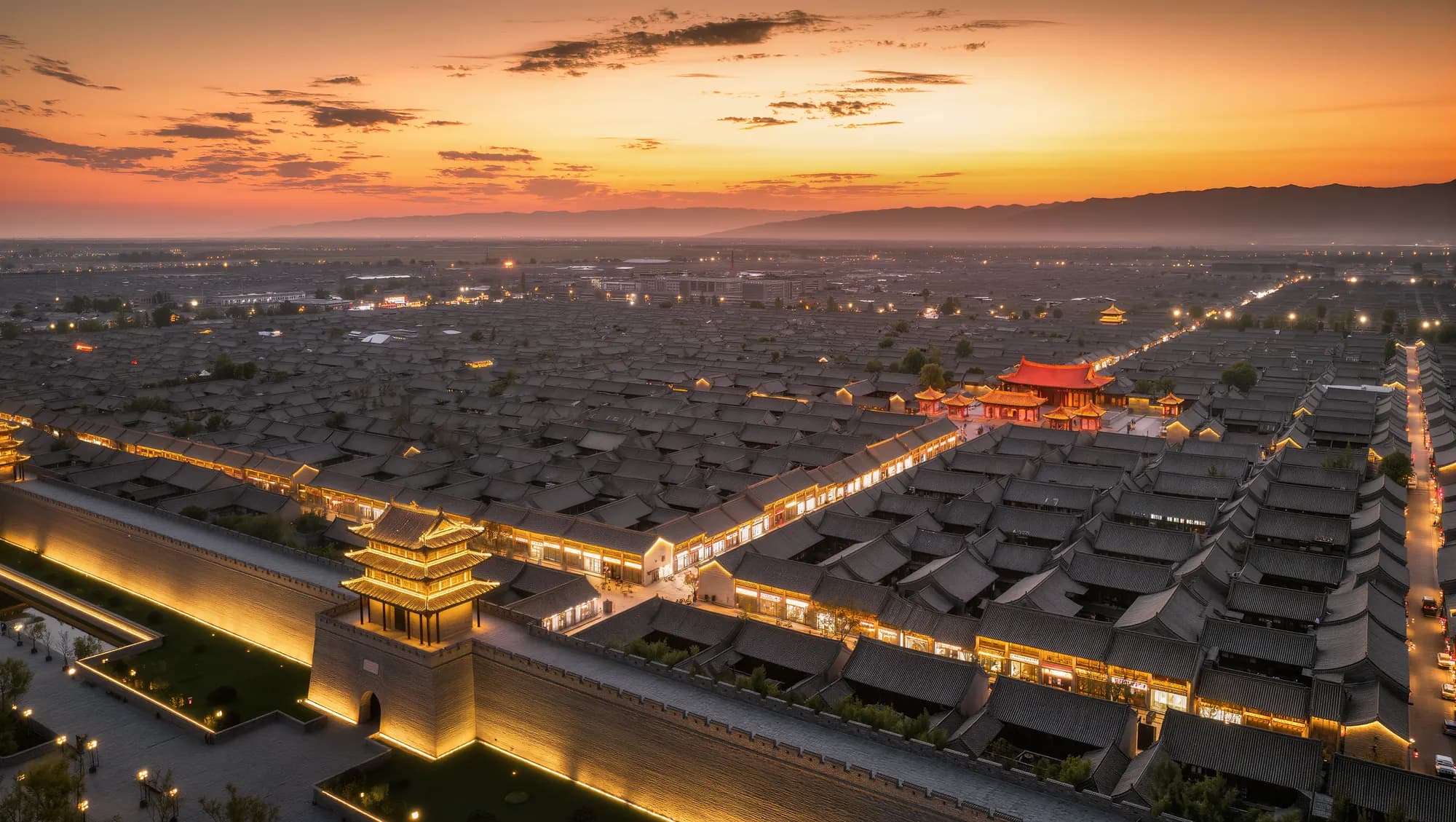
Inside the city, the Ming Dynasty wall is one of the best-preserved in China and wide enough to walk or cycle the full 14-kilometer loop, offering a rare elevated view over the old town. The Muslim Quarter, centered on the Great Mosque, reflects Xi'an's Silk Road legacy directly — it's home to the city's Hui Muslim community and its densest concentration of street food, including biang biang noodles (named for the sound the dough makes when slapped against the counter) and yang rou pao mo, a mutton broth poured over hand-torn flatbread that's practically a civic dish.
Xi'an sits in a dry, seasonal climate: summers are hot and can be intensely so by July and August, winters are cold with occasional dry snow, and spring and autumn are, as with most of inland China, the most comfortable windows for walking the wall and standing in open-air pits at the Terracotta Army site. Two to three days covers the essentials comfortably, and Xi'an connects by high-speed rail to both Chengdu and Beijing in under five hours, making it a natural link in a longer central-China route.
Xi'an地图
Xi'an必吃美食
Roujiamo
肉夹馍
Braised spiced pork stuffed in a flaky flatbread — the world's oldest burger
Biang Biang Noodles
Biangbiang面
Hand-pulled belt-wide noodles with chilli oil, garlic, and vinegar
Cold Skin Noodles
凉皮
Chewy rice-skin strips in a tangy sesame-chilli dressing
按主题探索Xi'an
亮点
The Terracotta Army
→Thousands of life-sized clay soldiers, horses, and chariots buried to guard the tomb of China's first emperor, discovered by accident in 1974 when local farmers were digging a well. One of the most significant archaeological finds of the 20th century.
Xi'an City Wall
→A largely intact Ming Dynasty fortification encircling the old city, wide enough to walk or cycle along its full loop. One of the best-preserved ancient city walls in China.
Biang Biang Noodles
→Extra-wide, hand-pulled wheat noodles, often as broad as a belt, tossed with chili oil, vinegar, garlic, and vegetables. A Shaanxi specialty named for the slapping sound the dough makes as it's stretched.
Yang Rou Pao Mo (Mutton Soup with Bread)
→A hearty mutton or lamb broth poured over hand-torn flatbread, a Xi'an staple particularly associated with the city's Hui Muslim community. Eaten as a filling one-bowl meal, especially in colder months.
Muslim Quarter
→A historic neighborhood centered around the Great Mosque, home to Xi'an's Hui Muslim community for over a thousand years and now a dense street-food market by day and evening.
Big Wild Goose Pagoda
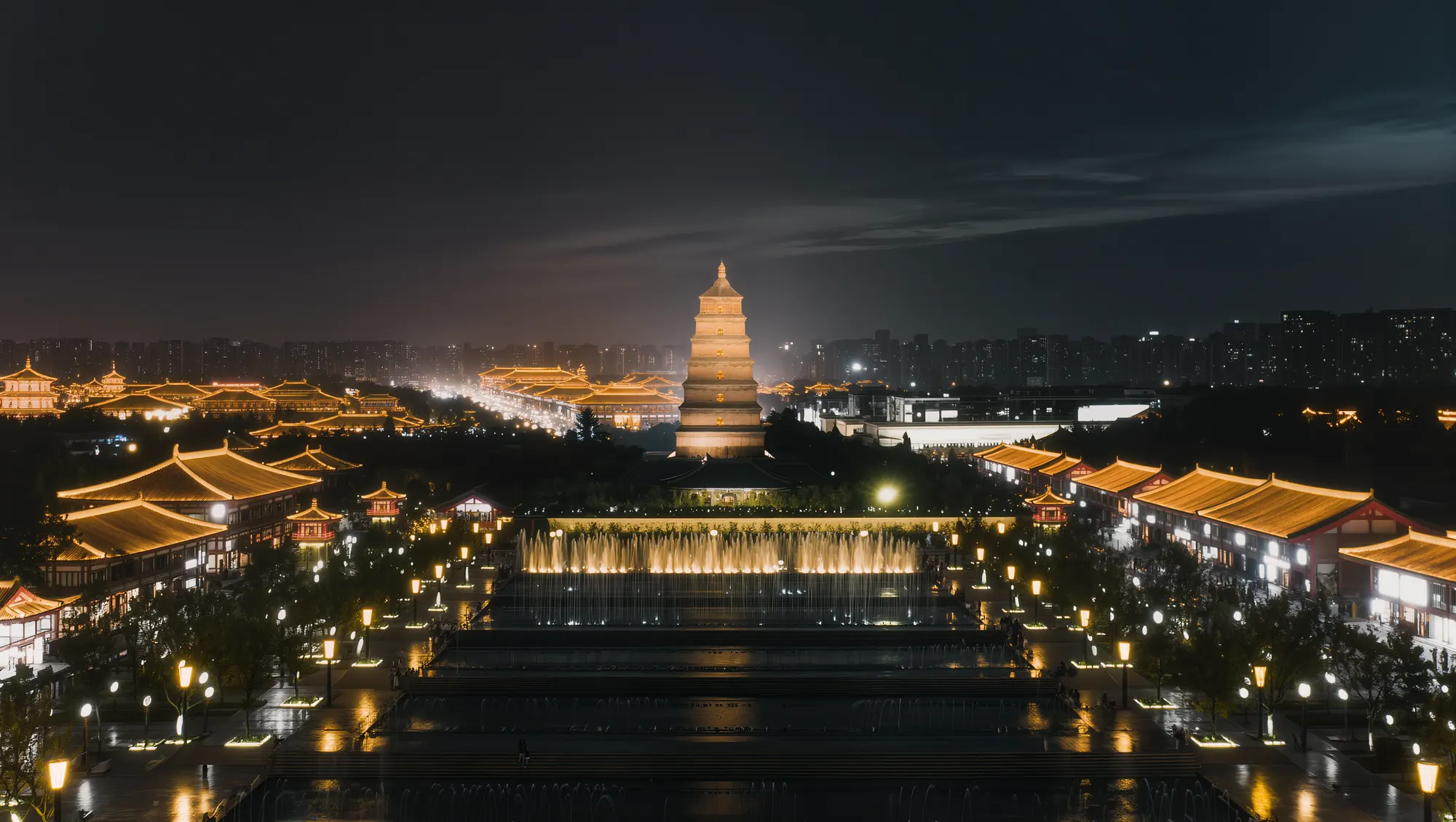
→A Tang Dynasty Buddhist pagoda built to house scriptures brought back from India by the monk Xuanzang, whose travels later inspired the novel Journey to the West.