Zhejiang, China
Hang Zhou
El Lago del Oeste y la cultura del té
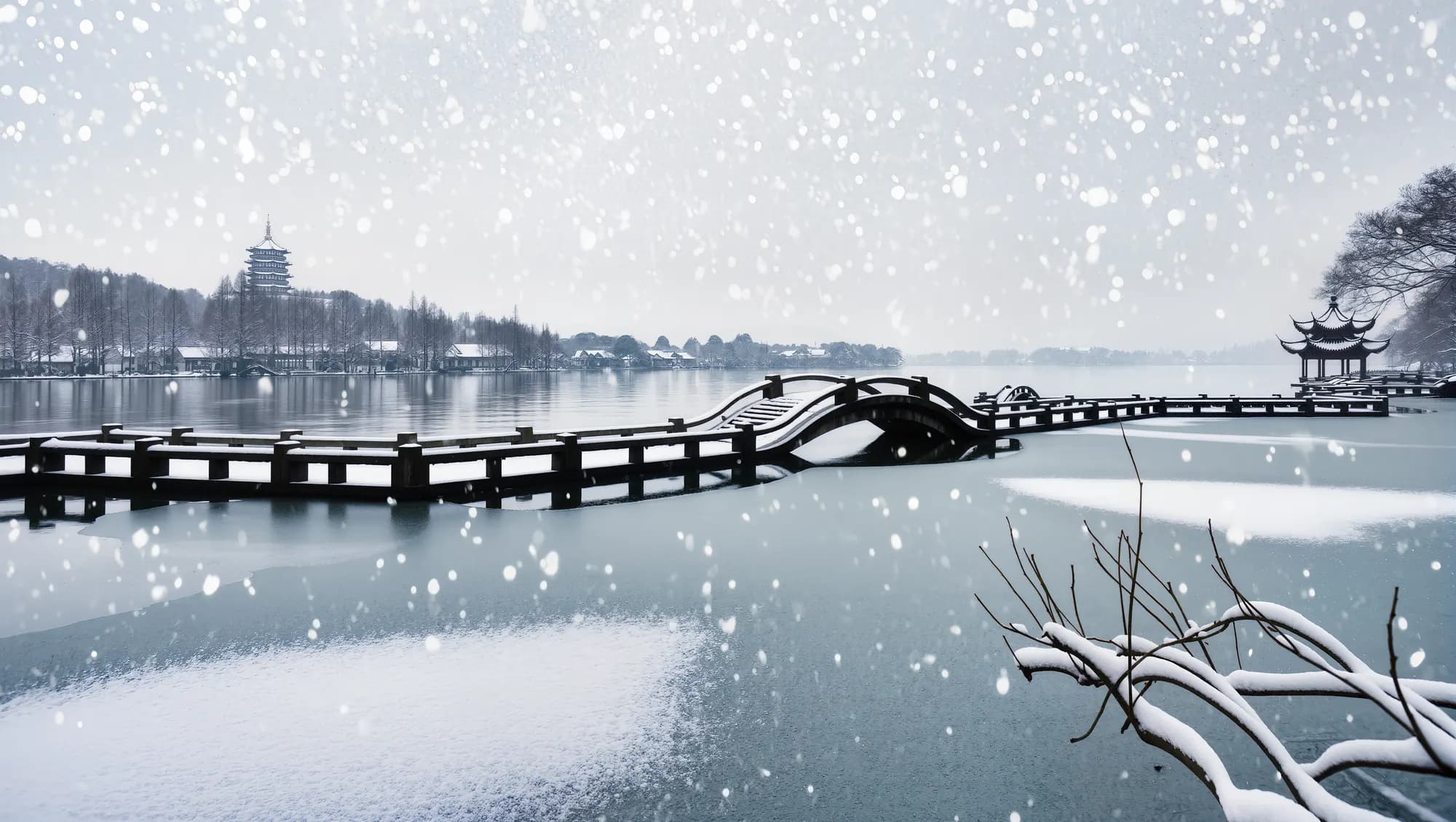
Hangzhou se construyó alrededor del Lago del Oeste, un sitio Patrimonio de la Humanidad de la UNESCO que ha influido en el diseño de jardines y la poesía china durante mil años. También es el corazón de la producción del té verde Longjing, con casas de té y plantaciones en las colinas que rodean la ciudad.
Flavour Profile
Mejor época para visitar
🗓 De marzo a mayo, de septiembre a noviembre
Province
📍 Zhejiang
Tier
DestacadoAbout Hangzhou
Marco Polo reportedly called Hangzhou 'the finest and most splendid city in the world,' and while the skyline has changed since the 13th century, the reason people fell for the place hasn't: West Lake. The lake isn't a wild landscape but a curated one, shaped by poets and officials for a thousand years into a sequence of causeways, pagodas, and 'Ten Scenes' formally named as far back as the Song Dynasty. Walking or cycling the full loop takes half a day and remains the single best way to understand why this city has been shorthand for earthly paradise in Chinese culture since before Europe had printing presses.
Beyond the lake, Hangzhou rewards a slower pace than most Chinese megacities allow. The hills to the west, particularly around Longjing village, are where China's most prized green tea is grown and picked by hand each spring — a tea-house afternoon here, sitting streamside with a glass of fresh Longjing, is as central to the Hangzhou experience as any single monument. The city is also home to Lingyin Temple, one of China's oldest and wealthiest Buddhist temples, its surrounding cliffs carved with hundreds of Buddhist grotto statues dating to the 10th century. Modern Hangzhou runs in parallel to all this history: it's Alibaba's home turf and one of China's genuine tech hubs, which shows up in a young, well-off population and a noticeably clean, well-planned city core.
Hangzhou sits under an hour from Shanghai by high-speed rail, making it one of the easiest and most rewarding day trips or overnight add-ons in eastern China — though a rushed single day only scratches the lake's surface. Spring (March–May) brings the tea harvest and blossoms; autumn (September–November) brings osmanthus fragrance drifting through the old streets and the clearest lake reflections of the year. Two full days lets you circle the lake properly, visit Lingyin Temple, and still have an afternoon free for a Longjing tea house in the hills.
What to Eat in Hangzhou
West Lake Fish in Vinegar
西湖醋鱼
Steamed carp glazed in a sweet-sour Zhejiang vinegar sauce
Dongpo Pork
东坡肉
Slow-braised pork belly perfumed with Shaoxing wine and soy
Longjing Shrimp
龙井虾仁
Tender prawns stir-fried with freshly picked Dragon Well green tea leaves
Explorar Hangzhou por tema
Lo más destacado
West Lake
→A UNESCO World Heritage lake bordered by gardens, temples, and causeways, shaped by over a thousand years of landscaping and referenced constantly in Chinese poetry and painting.
Lingyin Temple
→A large Buddhist temple complex set against forested hills outside central Hangzhou, founded over 1,600 years ago and still an active site of worship and pilgrimage.
Longjing Tea Plantations
→Terraced green tea plantations in the hills west of West Lake, source of Longjing (Dragon Well) tea, one of China's most well-known green tea varieties.
Book Experiences in Hangzhou
Nearby Cities
AI Trip Planner
Planning a trip to Hangzhou?
Tell our AI your travel style and get a personalised itinerary in seconds
✨ Build my itinerary