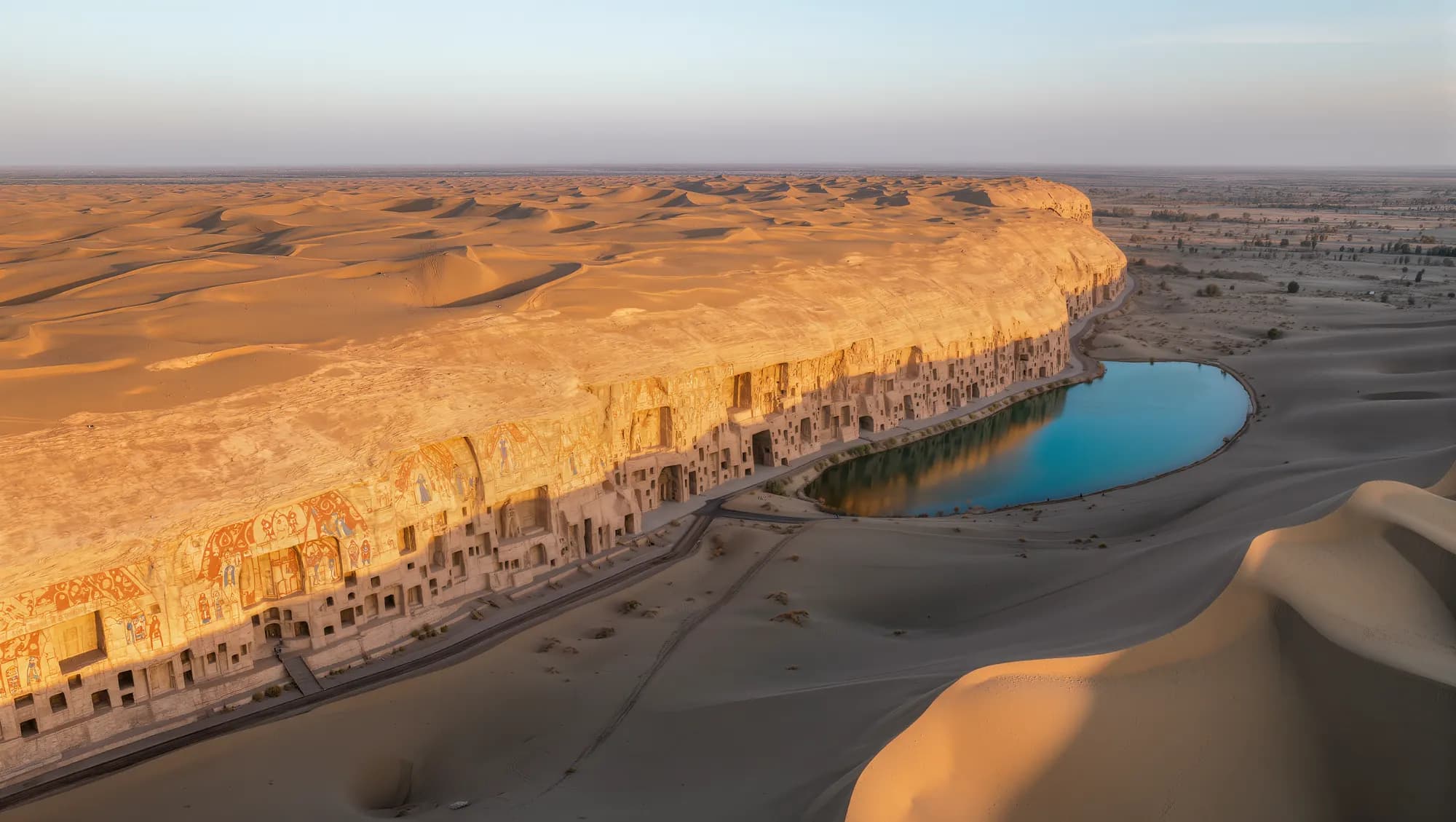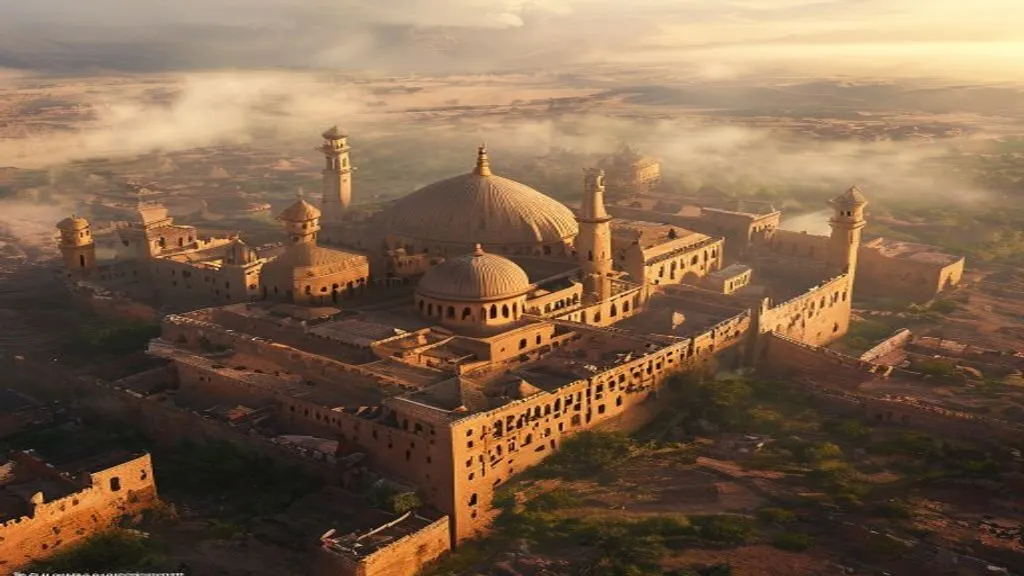
喀什是汉文明的尽头,也是中亚风情的起点。周日大巴扎(牲畜市场)已延续两千余年,土坯老城小巷蜿蜒通向香气四溢的艾提尕尔清真寺。这里的羊肉串、抓饭与馕坑烤馕,风味是全中国独一无二的存在。
口味特色
最佳旅行时间
🗓 4月至10月
所在省份
📍 新疆
城市等级
小众宝藏关于Kashgar
Kashgar sits closer to Baghdad than to Beijing, and it feels that way — this is where the Han Chinese world gives way to Central Asia, both visually and culturally. The city's Uyghur population, Turkic language, mud-brick old town, and Id Kah Mosque, the largest mosque in China, all belong more naturally to the world of Samarkand and Bukhara than to the rest of the country it's administratively part of.
The Sunday Livestock Market is the clearest living link to that older world: farmers and traders have gathered here to buy and sell sheep, cattle, camels, and horses for over 2,000 years, a continuous thread back to when Kashgar was one of the largest bazaars in Asia and a required stop for anyone moving goods along the Silk Road's southern routes. It's a working market, not a staged one — the noise, dust, and haggling are real commerce, not a performance for visitors.
Food here reflects the same Central Asian lean: hand-pulled noodles, polo rice pilaf cooked in huge communal woks, lamb kebabs grilled over open coals, and naan baked in clay tandoor-style ovens all taste closer to Uzbek or Kazakh cooking than to anything found in eastern China. April through October is the practical visiting window — Kashgar's remote location in far western Xinjiang means most visitors arrive by air from Urumqi, and the old town's alleys are best explored slowly, on foot, over at least two full days.
Kashgar必吃美食
Lamb Skewers
羊肉串
Cumin-dusted charcoal-grilled lamb — the defining Silk Road street snack
Polo Rice
抓饭
Saffron-scented rice slow-cooked with lamb, carrots, and raisins in a cauldron
Laghman Noodles
拉条子
Hand-pulled noodles tossed with Uyghur spiced lamb and vegetables